


THOUGHT ESSAYS are your weekly dose of open-ended, playfully subversive explorations that invite you to think differently about the everyday and the systemic alike.
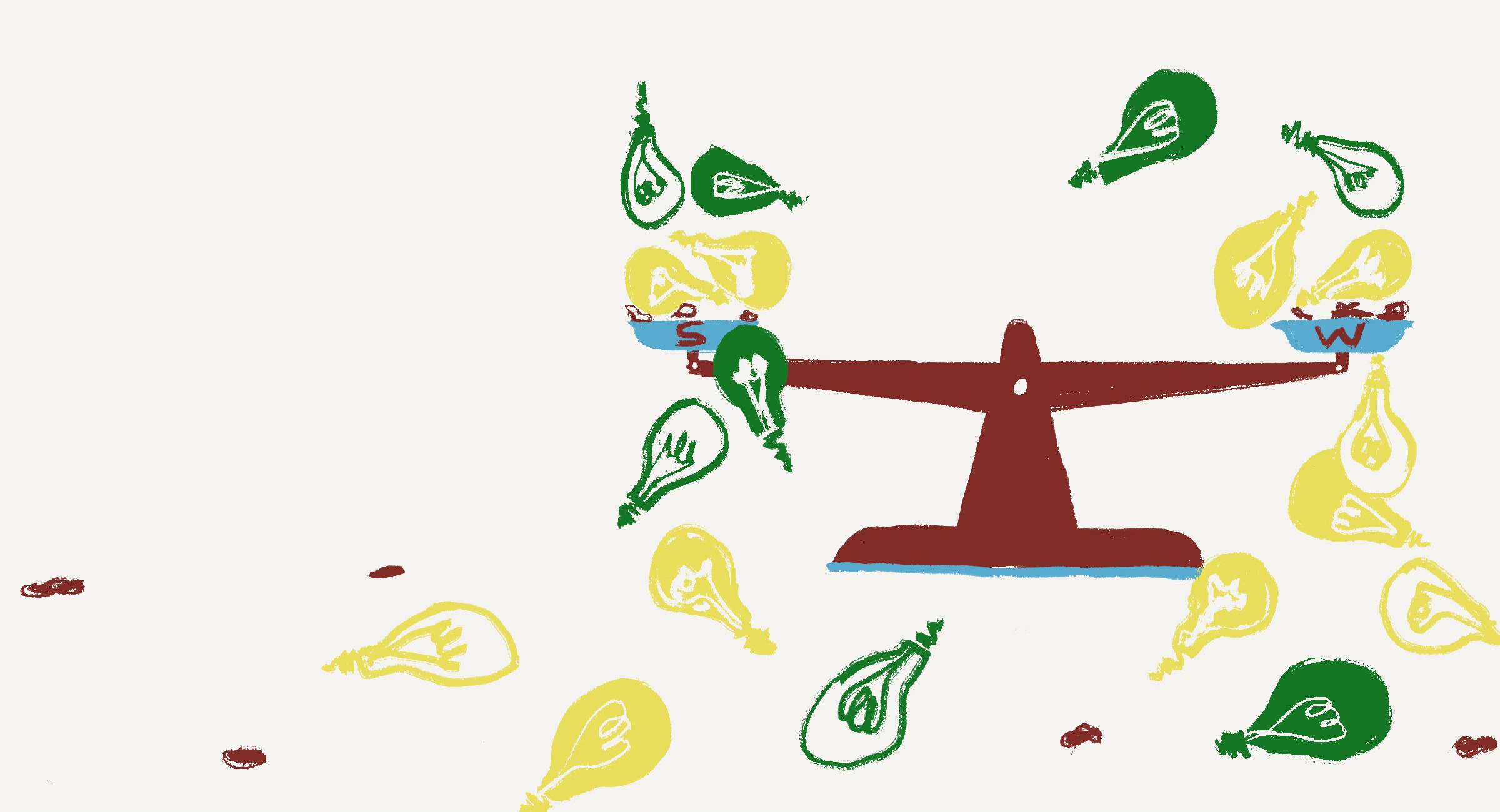
Strengths are strengths, and weaknesses are usually nascent strengths. One display of cognition, creativity, or physical prowess might be unbelievably useful in one environment and equally useless, or even destructive, in another. Where you channel these traits matter, because often is the case that these misplacements are misperceived as weaknesses.
What persists within circles of leadership training, team development, and certainly in self-development, is a common audit of one’s personal strengths and weaknesses. In theory, this serves us to help you identify where your natural gifts are, what you bring to the table, raise your self-awareness, and understand where you are best — and best not — to contribute.
The problem with strength-and-weakness exercises is that they inherently prompt you to categorise your flaws as things that must be overcome. But by indulging in that you must first entertain the notion that they are inherently problematic entities within yourself, which makes for a spectacular recipe for self-loathing if left unchecked.
It’s perfectly rational, but it’s not everything.
How many movies can you think of that follow this exact plot line? The underestimated underdog flails around in life only to learn at the end that their distinct flaws are the very things that saves everybody.
Paradoxically, I do applaud self-development exercises such as this, but they must first be framed in ways that encourage you to view your “strengths” and your “weaknesses” as nothing but traits. Unbelievably neutral qualities. And so, where you direct your attention instead is to investigate: what environments are these traits best applied for contribution and expansion of good? And where are these traits likely to be contextually misplaced, and therefore unseen, unrecognised, or at worst, destructive?
To reiterate the above:
Weaknesses are usually strengths that haven’t been nurtured or balanced enough to be harnessed effectively, and therefore not channeled to where they are best placed for service.
Where you might identify your own weaknesses might only require you to search for the right environments for them to be best expressed. You will likely feel much lighter from it, and society will inevitably benefit too.