



I spent pretty much all of my professional twenties entrenched in busywork, although I didn’t realise it at the time. Yes, I still got things done. Yes, I still achieved. But, wow, was there an incredible level of wasted energy that could have otherwise be directed more intentionally.
There are some experiences in life where it is genuinely fortuitous to take the scenic route. In those cases, deep insights are only achieved as a result of experimenting so deeply, from so many angles, that those lessons in mastery become deeply engrained within you. From the outside, it may look like a slow progress, but the value is in how rigorous attention forges depth.
Depth cannot be faked, and the way I know it to arise is from actually living in the deep, vacant abyss for a while.
But notwithstanding that, not everything requires depth, and — to the point of this piece — that is absolutely not the same thing as busywork, although sometimes they can superficially look that way.
How might you discern what is genuinely deep-dive coursework versus a superfluous activity?
The difference with busywork is this: it does not produce any value of significance.
That’s it. We all know it. But it’s so common, and therefore so insidious, because of how it looks on the outside.
The workplace experience that cracked this glaringly open for me was in my time in senior leadership for a theatre company. How was it that I was so stressed, working overtime constantly, and the company was still struggling year-on-year? It pointed to a broader organisational culture and systemic issue, and it woke me up because it forced me out of the illusion that my individual effort alone was enough to pull that company out of its own oblivion.
The truth was, it did not matter how competent, organised, insightful, diplomatic, or skilled one senior leader can be if they are operating in a system designed against them. Designed to optimise something completely against the grain of whatever the CEO’s vision is (be it a conscious vision or an unconscious acting out). Not to say this out of bitterness. Rather, it’s a reminder to look at what your effort is actually producing, and to commit-not to a performance that celebrates the grind over actual substance.
Busywork is busywork, and good work leaves genuine, value-creating traces.
So then what really helped me discern value-creating activities from those which are value-stalling was delving into my personal interest in finance and investment theory.
I think of the Efficient Frontier, which dictates how you might approach designing your investment portfolio. You want to yield the highest return possible, for the lowest realistic risk. Take too-little risk, though, you likely aren’t having your investments work hard enough for you. If you take on too much risk, you might be over-investing in places that are exposing you too much for its own good.
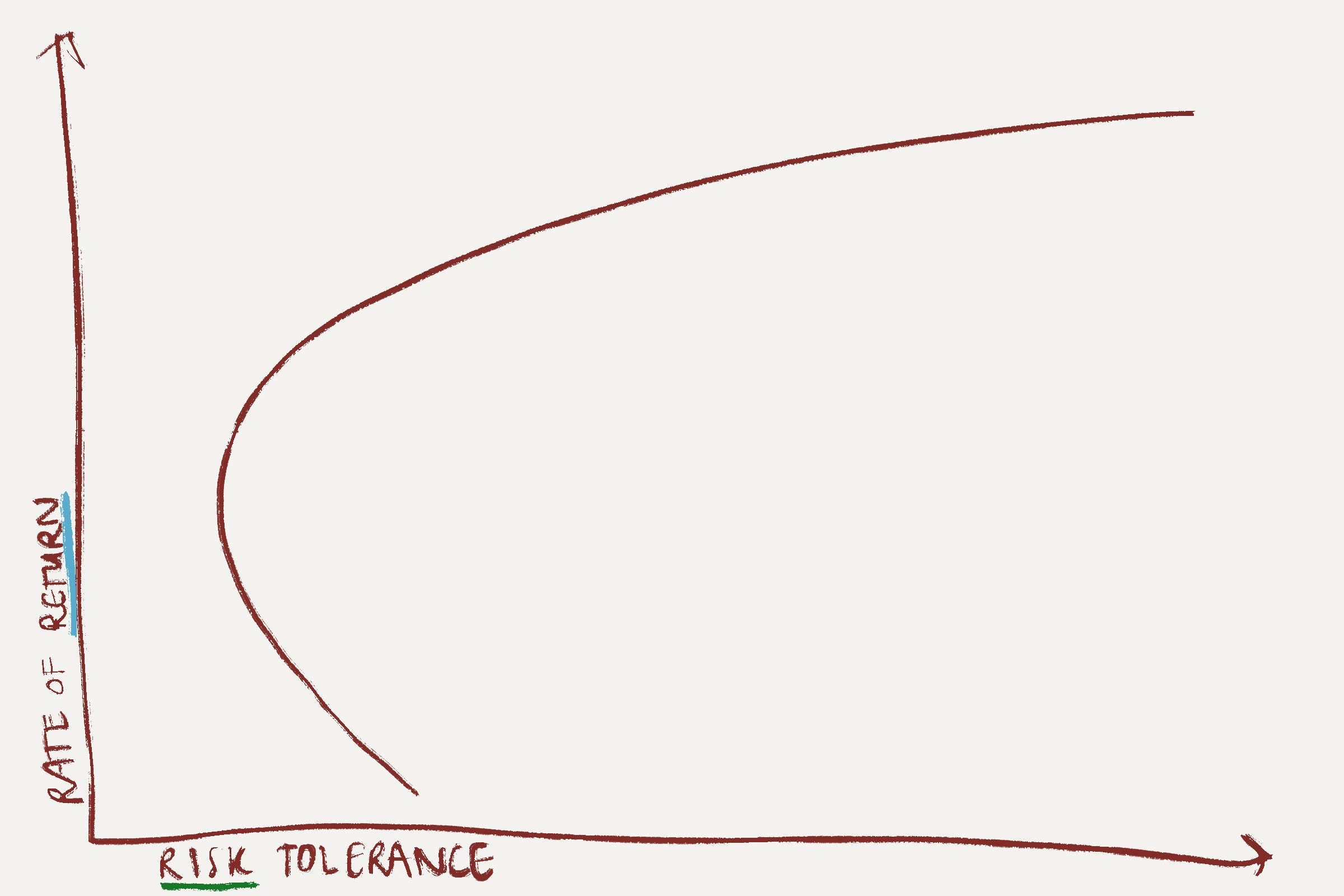
Now, replace the word risk with personal energy. That is, your time and effort.
You are engaging in busywork if you find yourself expending much of your personal energy into something and it’s not yielding you adequate results over time.
Take note. Rebalance your life portfolio.
If you’re not giving much energy into something, by contrast, and it’s not yielding you enough value, clock that. Perhaps you’d benefit from reallocating your energy into that which will multiply more value you to with enough resourcing behind it.
I understand that the whole reason busywork even exists is because they appease other aspects of being a human in the professional world: power dynamics, status quo, niceties, appearances. It’s not nothing; social performances are what reinforce relational harmony. But we can call it what it is, because nobody benefits, ultimately, from mislabelling busywork as a genuine value creation activity.
Work with me on brand, partnerships & development strategy here.
Follow me on LinkedIn here.